Storytelling in 3 Objects: A How-To for Sharing Family History
A chipped mixing bowl. A folded bus ticket. A wooden spoon with a burned handle. Set them on a table and most families see clutter. Ask a few careful questions and they become a story: who used them, what changed, why they were kept.
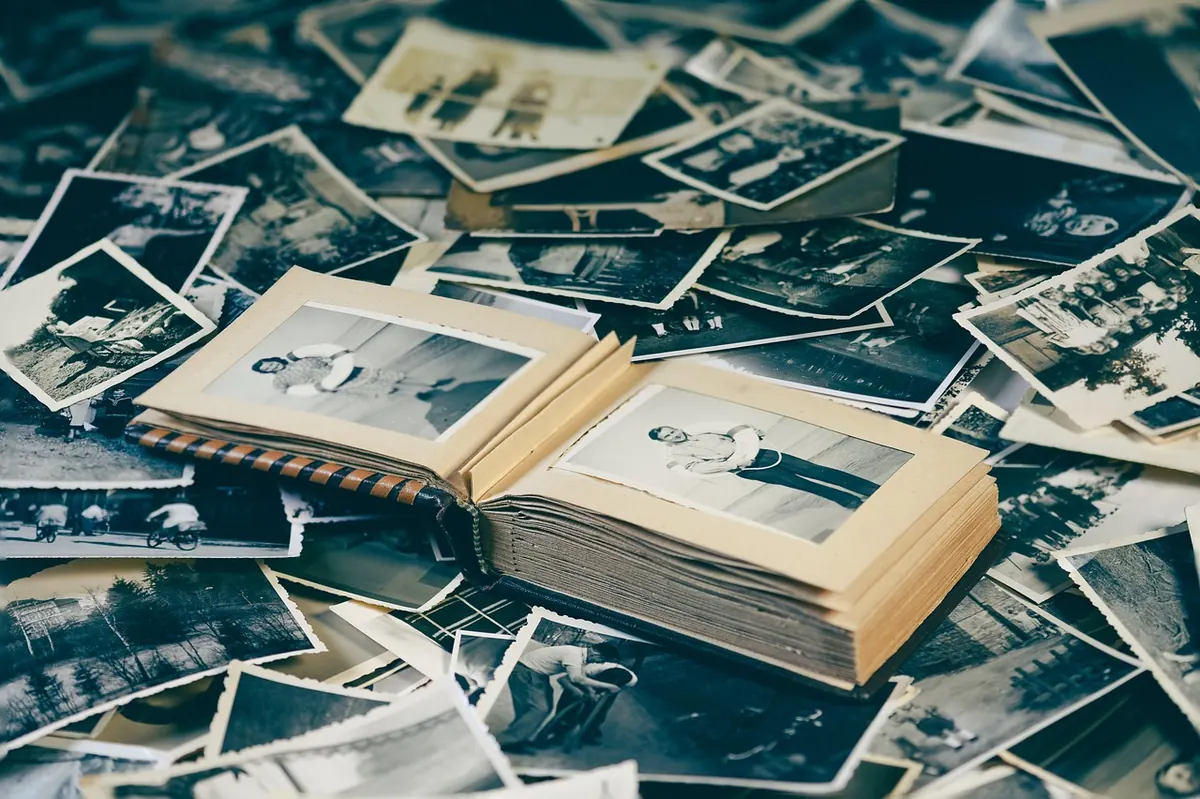
Family history often fails not because the facts are missing, but because no one has shaped them into something a listener can follow. A box of photographs can sit unopened for years. Three objects, arranged with intention, can be remembered after a single telling. The method below asks for three objects, one page, and about an hour of attention.
Begin with three objects, not the whole attic
Do not start with every document, photograph and heirloom you can find. Start with three things that belonged to, or were used by, one person. The limit is the point. It forces you to choose what matters and to notice how one object leads to another.
A useful trio is varied. One worn tool or household item, one small token, and one object connected to a place or a journey. It might be a repair manual, a church card and a suitcase label. Or a recipe book, a ring and a photograph of a front door. They do not need to be valuable. They need to be specific.
Put the three objects on a table where you can walk around them. Write one sentence for each: This belonged to… It was used when… I keep it because… Do not polish the sentences yet. The aim is to find the connection between the objects, not to produce a finished piece.
Choose objects that carry a turn
A family story needs a moment when something shifts. A move, a new job, a marriage, a separation, a house sold, a child born, a habit changed. The turn does not have to be dramatic. It can be small and still hold a listener: a recipe changed because an ingredient disappeared; a tool was repaired instead of replaced; a ticket was kept from a trip that almost did not happen.
Test each object with these questions:
- Does it belong to a specific person, not just “the family”?
- Does it point to a moment when something changed?
- Can you describe it with two or three concrete details?
- Would a listener understand why it mattered without seeing it?
If an object fails all four, it may still be interesting, but it is probably not one of your three. Keep it for another story. The best trio often includes one object that seems ordinary until the story gives it weight.
Build a three-beat story spine
Use the objects as markers in time: before, the turn, after. This gives the listener a route to follow and keeps you from wandering into every branch of the family tree.
Object one: the before
Open with the first object and the person it belongs to. Give only the context needed to understand the change. If the object is a mixing bowl, show the kitchen, the person using it, the food that came out of it. One or two details are enough. “She made bread on Fridays” is stronger than a paragraph about baking in general.
Object two: the turn
Bring in the second object at the moment something shifts. If it is a bus ticket, show the journey. Who left? Who stayed? What was waiting at the other end? If it is a letter, show the news it carried. The object does not need to be the cause of the change. It needs to be the thing you can see while the change happens.
Object three: the after
Use the third object to show what came next. This is where the story lands. The burned spoon might show a new household, a hurried meal, a habit passed down. The third object does not need to explain the meaning. It should leave the listener with an image they can carry.
A family story is not an inventory. It is a route through three moments.
Add details you can trust, then write one page
Details make a story visible, but invented details make it fragile. Separate what you know from what you remember and what you were told. If you are unsure of a date, leave it out. If two relatives disagree about an event, write one line noting the disagreement and move on. Avoid putting dialogue in someone’s mouth unless you have a reliable record of it.
Draft the story on one page. Then cut it. A useful shape looks like this:
- Open with the first object and the person.
- Give the listener only the context needed for the change.
- Bring in the second object at the turn.
- Use the third object to show what came after.
- Close with one concrete image or a short sentence of reflection.
Read the draft aloud. Where you stumble, a listener will stumble too. Cut any sentence that explains what the objects already show. Keep any sentence that helps someone who never met the person understand why the moment mattered.
Test it on one listener, then make a keeper
Tell the story to one person before you share it more widely. Ask three questions: Where did you lose the thread? What do you remember? What did you want to know more about? The answers will show you which details are doing work and which are only decoration.
Then make a version people can keep. Print the one-page story and place it with the three objects. Write short captions for each object and set them together on a shelf. Record a voice note and speak slower than feels natural. Add the story to a photo album or a family file. The form matters less than the spine: three objects, one turn, one clear ending.
A fifteen-minute start this weekend
Choose one person whose story you want to keep. Find three objects connected to that person and put them on a table. Write one sentence for each object: before, the turn, after. Read the sentences aloud. Add only the details a listener needs. Then store the page with the objects or send it to one relative who will recognize the person in it.
The story does not need to be complete. It needs to be clear enough that someone else can retell it. That is how family history survives: not as a crowded archive, but as a short story attached to three things someone can still touch.
Photo: fotoblend / Pixabay